Ford Mustang (1964): The Car That Made Performance a Youth Culture
The Ford Mustang arrived at exactly the right moment.
America in the early 1960s was younger, louder, more mobile and more image-conscious than ever before. Rock ’n’ roll was everywhere. Highways were expanding. Teenagers and young adults had spending power, ambition and a growing appetite for products that felt personal rather than practical.
Ford saw the opening.
The company did not need another family sedan. It needed a car that looked fast, felt youthful and could be bought without supercar money.
On April 17, 1964, the Mustang went on sale at the New York World’s Fair. It was an instant hit. Ford received enormous public attention, backed by a national marketing campaign, television advertising and a launch spectacle built to make the car feel like a cultural event rather than just a new model. (corporate.ford.com)
The Mustang did not simply become successful.
It created a whole new category of car.
The Birth of the Pony Car
The Mustang was compact, sporty and affordable. It had a long bonnet, a short rear deck, room for four passengers and a huge range of engines, colours and options.
That formula became known as the pony car.
The name came from the Mustang itself, but the idea quickly spread across the American market. Chevrolet answered with the Camaro. Pontiac built the Firebird. Dodge introduced the Challenger. AMC launched the Javelin.
Suddenly, manufacturers were not only selling transport. They were selling attitude.
The Mustang was not a luxury coupe, not a dedicated race car and not a traditional muscle car. It sat somewhere in between: stylish enough for the city, cheap enough for younger drivers and powerful enough to feel exciting.
That made it dangerous—in the best possible cultural sense.
Style Before Specification
The Mustang’s biggest innovation was not hidden under the bonnet.
It was visual.
Its proportions were everything: long hood, short deck, low roofline, sharp grille and the running-horse emblem in the centre. Even the basic six-cylinder cars looked like they belonged on a movie poster.
Ford understood something important: many buyers did not need the fastest car on the road. They wanted a car that looked like it could be.
That changed automotive marketing.
The Mustang made performance design accessible. It allowed someone with a normal job and a limited budget to buy a car that felt emotionally bigger than its price tag.
It was a car built around aspiration.
And it worked.
Ford sold more than 418,000 Mustangs in its first year, a number that exceeded expectations and helped establish the Mustang as one of the most successful launches in automotive history. (Ford From the Road)
Youth Culture on Four Wheels
The Mustang was aimed directly at younger buyers.
Ford’s own advertising leaned heavily into the idea of youth, energy and freedom. The car was presented as something that could make families feel younger and give younger drivers a car that represented independence. Contemporary Ford advertising even described the company as “a youth movement.” (thehenryford.org)
That was not accidental.
The Mustang arrived during a moment when the automobile was becoming part of youth identity. Cars were no longer only family tools. They were places to meet, escape, date, cruise, listen to music and build a public image.
A Mustang could be a first big purchase. It could be a statement outside a school, outside a diner or on a Friday-night boulevard.
It was affordable performance, but it was also affordable self-expression.
Built From Familiar Parts, Sold as a Dream
One of Ford’s smartest moves was using existing components.
The Mustang was based partly on the Ford Falcon platform and shared proven mechanical parts with other Ford models. That kept development costs lower and allowed Ford to offer the car at an accessible entry price.
But the customer did not see “parts sharing.”
They saw a new kind of American car.
That is the genius of the Mustang. It turned practical engineering into emotional design. Ford used familiar hardware, then wrapped it in a body that looked like freedom.
The Mustang was not expensive to produce compared with a clean-sheet exotic sports car. But it felt special enough that buyers treated it like one.
From Commuter Car to Performance Weapon
The early Mustang range gave buyers a choice.
You could buy a basic model with a modest engine and stylish looks. Or you could step up through larger V8s, better suspension, sharper styling and more performance.
That flexibility helped create Mustang culture.
There was not just one Mustang owner. There were thousands of different versions: students, young professionals, drag racers, weekend cruisers, suburban families and serious enthusiasts all found a way into the car.
Then Carroll Shelby changed the story again.
Ford asked Shelby to create a more focused, high-performance Mustang for 1965. The Shelby GT350 received a modified 289-cubic-inch V8 producing 306 horsepower, alongside upgraded suspension and brakes. It transformed the Mustang from a stylish youth car into a genuine performance machine. (thehenryford.org)
The Mustang now had two identities at once.
It could be a fashionable daily driver.
Or it could be a weapon.
Hollywood, Music and the Open Road
The Mustang became bigger than Ford because it became visible everywhere.
It appeared in films, television, music videos, advertising and American street culture. Steve McQueen’s dark green Mustang GT in Bullitt helped turn the car into a movie legend. The Mustang’s shape became linked with San Francisco streets, V8 soundtracks and the idea of the chase.
It also became a symbol of the open road.
Ford’s own heritage material describes the Mustang as representing freedom for a generation that wanted to break away, and that is exactly why the car lasted. It did not sell only horsepower. It sold the possibility of leaving. (Ford From the Road)
The Mustang was for people who wanted to go somewhere, even when they had no exact destination.
The Car That Created Competition
Every major automotive success creates imitators.
The Mustang created an entire battlefield.
The Camaro, Firebird, Challenger, Barracuda and others were all responses to the same cultural demand: young buyers wanted cars that were expressive, sporty and attainable.
The pony-car era became one of the most important moments in American automotive history because it democratized style and performance. It made the idea of a personal sports coupe mainstream.
Before the Mustang, fast cars often belonged to racers, wealthy buyers or niche enthusiasts.
After the Mustang, speed had a showroom price tag.
Why the Mustang Still Matters
The Benz Patent-Motorwagen invented the automobile.
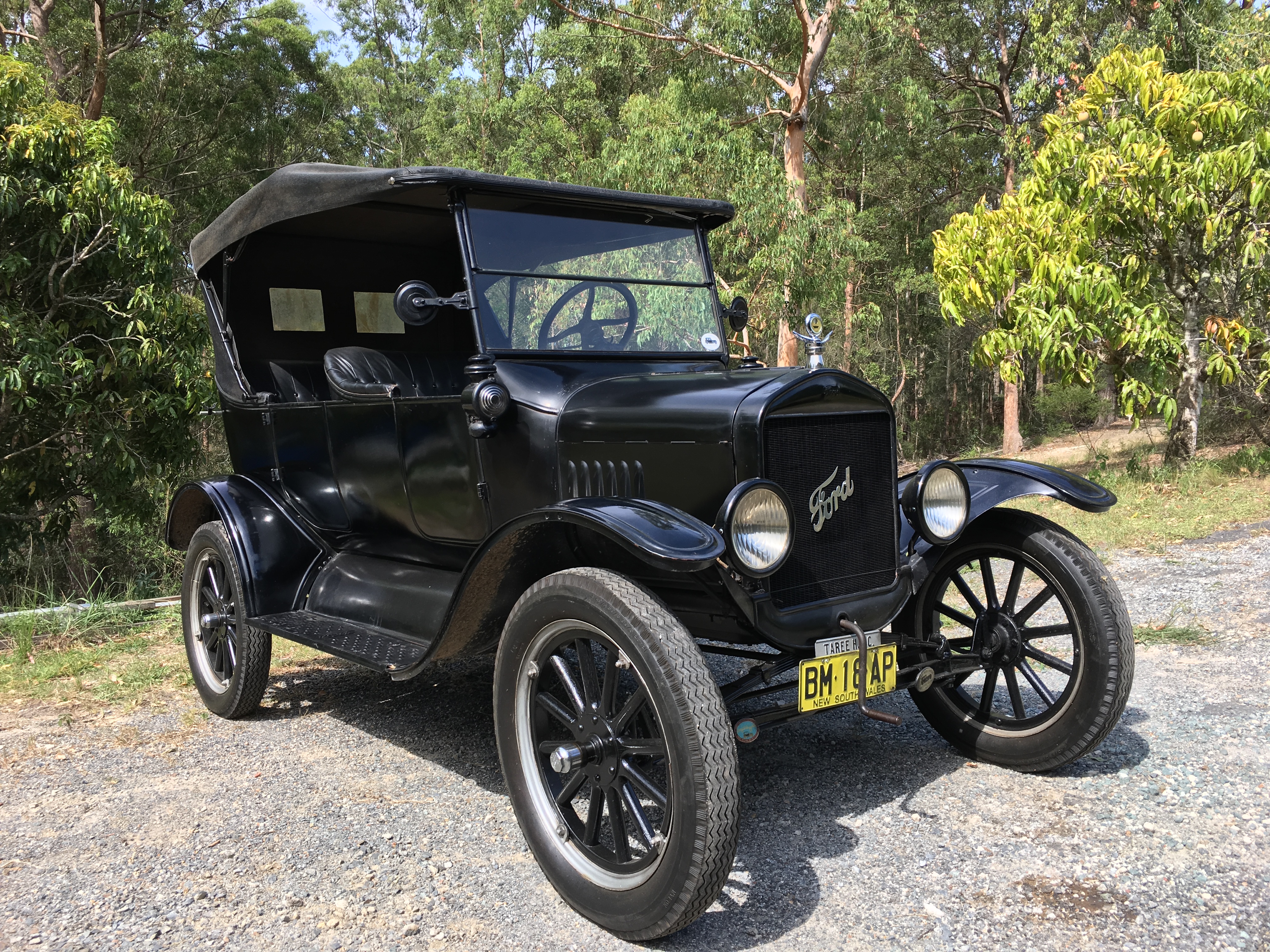
The Ford Model T made the car available to the masses.
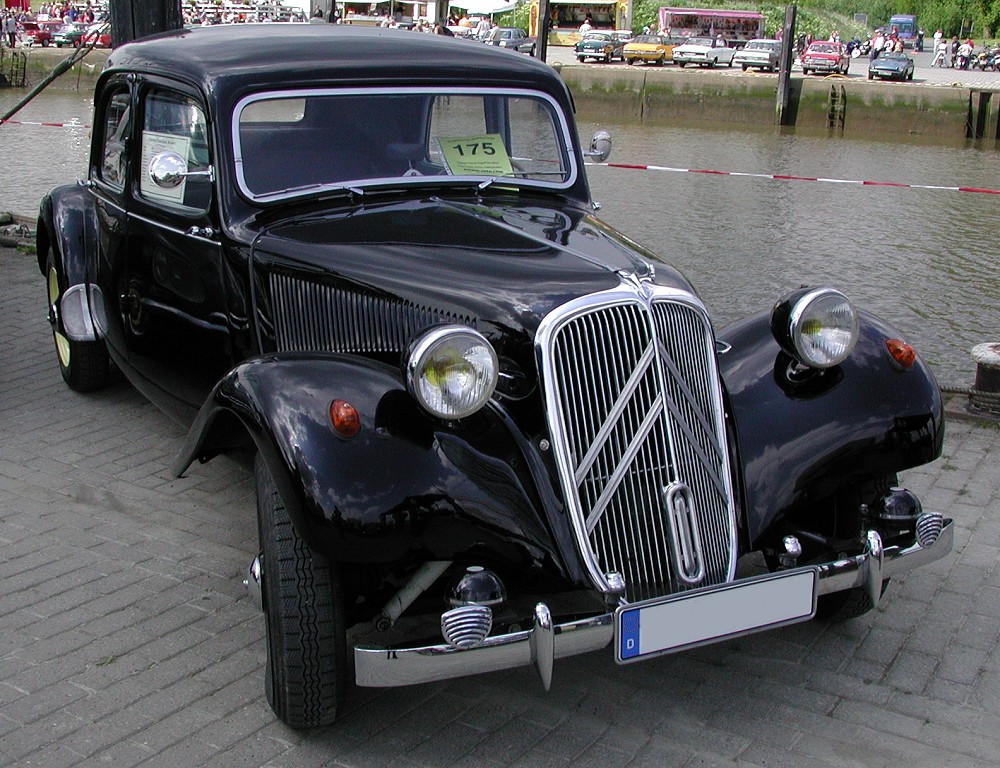
The Citroën Traction Avant changed how cars were engineered.
The Volkswagen Käfer made the car emotionally accessible.
The Mini made compact design cool.
The Ford Mustang did something different.
It made automotive desire affordable.
The Mustang showed that performance could be about more than lap times. It could be about design, music, identity, rebellion and the feeling that your car says something before you even step out of it.
That is why the original Mustang remains such a powerful cultural object.
It was not just a car for young people.
It was a car that made people feel young.