Mini (1959): The Small Car That Changed the Way the World Moved
Some cars change the world by being bigger.
The Mini changed it by proving that smaller could be smarter.
When the original Mini arrived in 1959, Europe was still shaped by post-war austerity, rising fuel costs and crowded cities. Most small cars of the era were compromises: slow, cramped, awkward-looking and built around the idea that cheap transport had to feel basic.
Alec Issigonis had a different idea.
What if a small car could still carry four people? What if it could use almost all of its footprint for passengers? What if it could be affordable, efficient and genuinely fun to drive?
The result was the Mini.
It was tiny on the outside, clever on the inside and completely different from almost every car around it. More than sixty years later, its proportions still look modern because the original concept was so radical: maximum space, minimum waste.
The Mini did not just become an icon of British motoring.
It helped invent the modern compact car.
Designed Around a Crisis
The Mini was born out of a practical problem.
In the late 1950s, fuel shortages and anxiety around oil supply pushed manufacturers to rethink what an affordable car should be. Britain needed a vehicle that used little fuel, took up little space and could still work for ordinary families.
British Motor Corporation turned to Alec Issigonis.
Issigonis was not interested in building a smaller version of an existing car. He wanted to start again. His goal was simple: create the largest possible interior inside the smallest possible exterior dimensions.
That idea became the Mini’s entire personality.
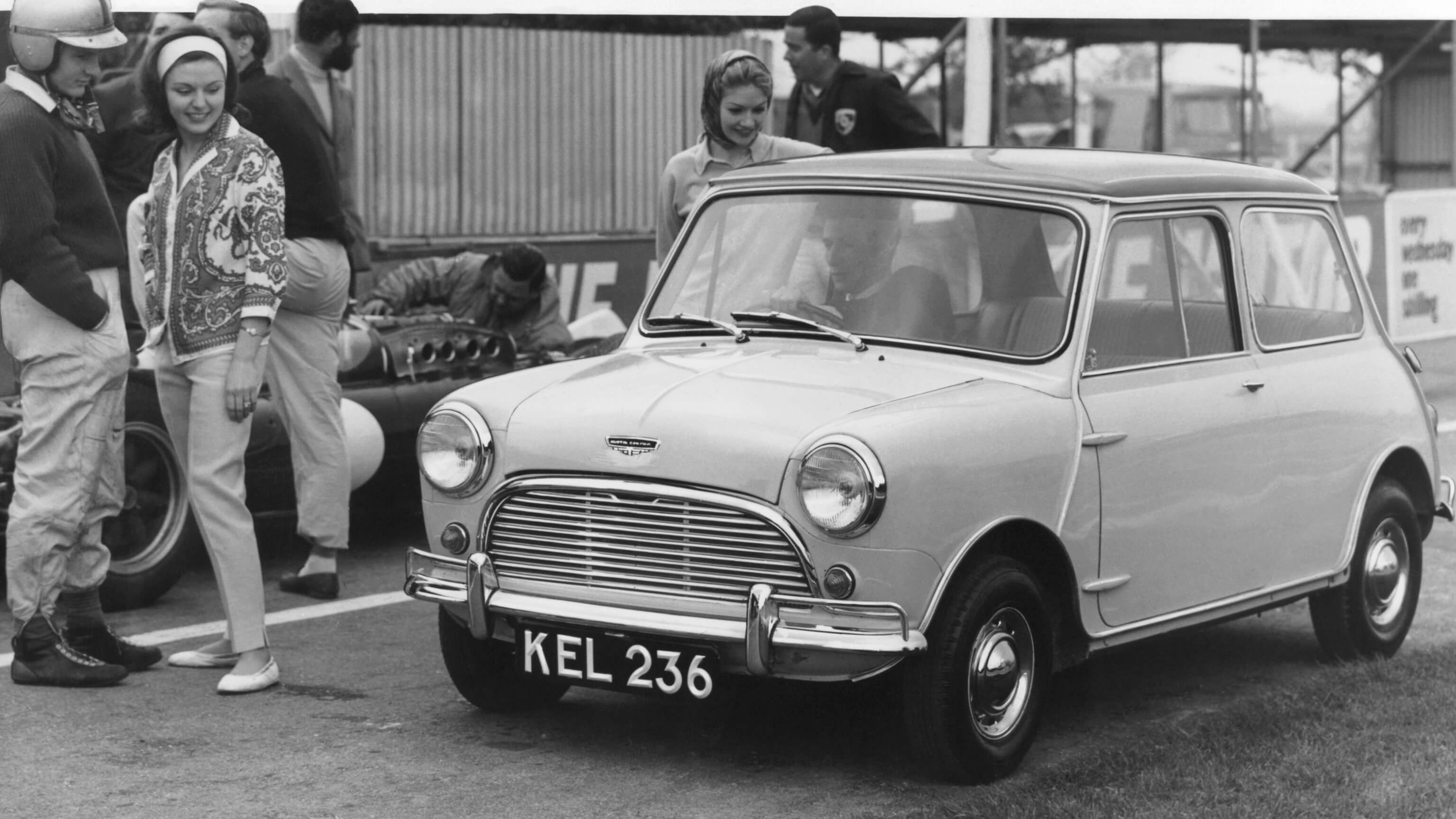
When it launched in 1959 as the Morris Mini-Minor and Austin Seven, the car measured just over three metres long. Yet it could seat four people. That packaging was possible because Issigonis mounted the engine sideways across the front of the car and drove the front wheels. The drivetrain used remarkably little space, leaving most of the cabin for people rather than mechanical hardware. (bmwgroup-classic.com)
Today, transverse engines and front-wheel drive are normal in small cars. In 1959, this layout was a major break from convention.
The Car That Put People Before Machinery
Most cars before the Mini were engineered around the engine, gearbox and chassis.
The Mini was engineered around the passengers.
Its tiny wheels were pushed into the corners. The engine sat sideways. The cabin floor was low. Storage spaces were built into the doors. The car was only as large as it needed to be.
That made the Mini feel almost architectural.
It was not just an automobile. It was a brilliant exercise in space design.
Issigonis created something that followed one of the most important principles in modern design: form follows function. The Mini did not have its famous shape because someone wanted it to look cute. It looked that way because every line, wheel and panel was answering the same question: how do you make a real car fit into the smallest possible package? (BMW Group PressClub)
That is why the original Mini still feels clever rather than old-fashioned.
Tiny Wheels, Giant Personality
The Mini’s real surprise was not how much space it had.
It was how it drove.
With its wheels pushed to the corners, a short wheelbase and compact dimensions, the Mini felt agile in a way that bigger cars could not match. Drivers described its handling as “go-kart-like,” a phrase that became inseparable from the car’s identity.
The Mini was not powerful. Early versions were built for economy, not speed.
But it changed direction quickly, felt lively at urban speeds and made ordinary roads feel more entertaining. It proved that driving pleasure did not require a giant engine or a huge budget.
That idea changed car culture.
The Mini made handling cool.
John Cooper Turns a City Car Into a Giant Killer
The Mini might have remained a clever little commuter car without John Cooper.
Cooper was a racing-car constructor and friend of Alec Issigonis. He saw something in the Mini’s lightweight chassis and sharp handling that BMC management initially did not: racing potential.
The Mini Cooper arrived in 1961, followed by the more powerful Mini Cooper S. The formula was simple: more power, better brakes, revised suspension and a car that still looked almost impossibly small beside traditional performance machines.
Then came rallying.
In 1964, Paddy Hopkirk and co-driver Henry Liddon won the Monte Carlo Rally in a Mini Cooper S. The Mini’s success was not just a sporting result—it was a cultural shock. A tiny British city car had beaten larger, more powerful rivals on one of the world’s most famous rally stages. (mini.com)
The Mini became a giant killer.
That changed its image forever.
It was no longer merely efficient. It was rebellious.
Swinging London on Four Wheels
By the 1960s, the Mini had become part of British style.
It belonged to a London that was becoming louder, younger and more creative. Fashion, music, photography, film and youth culture were changing the image of Britain, and the Mini fit perfectly into that world.
It was compact enough for city streets. Affordable enough for younger buyers. Stylish enough to be personalised. And different enough to feel anti-establishment.
Celebrities drove them. Designers customised them. Musicians embraced them. The car appeared in films, advertisements and magazine shoots. It became a symbol of the era now remembered as Swinging London.
The Mini had something larger cars often lacked: it was fashionable without needing to be expensive.
That gave it enormous cultural power.
A luxury car could show wealth. A Mini could show taste.
The Birth of Personalisation Culture
The Mini was one of the first mass-produced cars that people treated like a personal accessory.
Owners changed wheels, added lights, fitted racing stripes, painted roofs, modified engines and turned the car into a reflection of their identity. The Mini’s simple shape made it instantly customisable.
It could be elegant, cheeky, sporty, punk, retro or completely outrageous.
That spirit helped build a culture around small cars that still exists today. Think hot hatches, tuned hatchbacks, city-car custom scenes and even modern limited editions with contrasting roofs and special colours.
The Mini made small-car individuality feel desirable.
It showed that you did not need a supercar to create a visual statement.
A Blueprint for Modern Compact Cars
The original Mini influenced almost every small front-wheel-drive car that followed.
Its transverse-engine layout, front-wheel drive, compact footprint and space-efficient cabin became a template for modern hatchbacks. The exact engineering evolved, but the core idea remained: put the mechanical hardware where it takes up the least space, then give the rest of the car back to the people inside.
The Mini did not invent every element of this formula, but it combined those ideas in a way that changed the industry.
BMW Group describes the original Mini as a revolutionary car whose transverse front-wheel-drive layout and space-efficient packaging redefined small-car design. (mini.co.uk)
That is its real legacy.
Not simply that it was charming.
Not simply that it was British.
But that it made intelligent design feel emotional.
Why the Mini Still Matters
The Benz Patent-Motorwagen created the automobile.
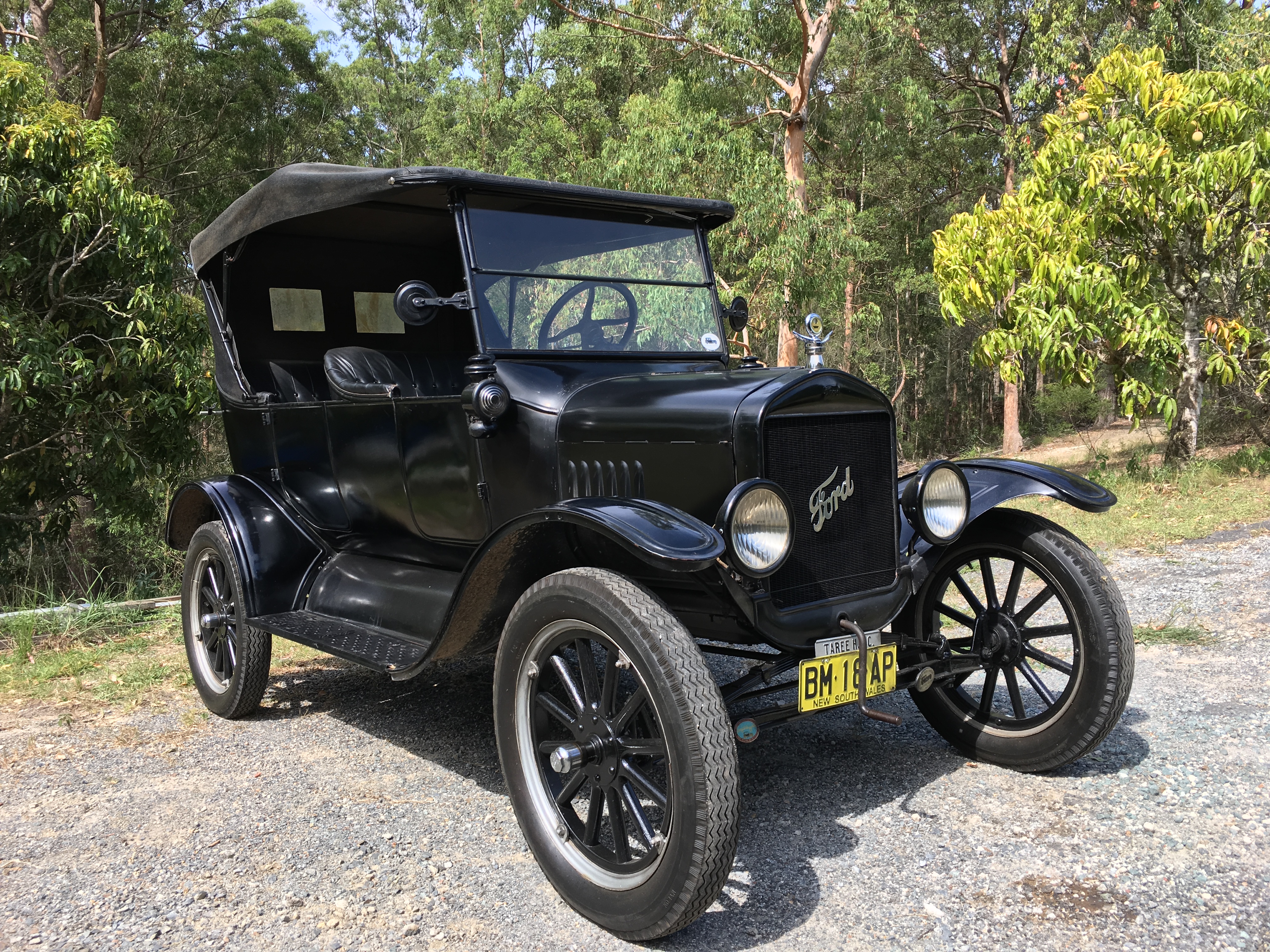
The Ford Model T made the car accessible.
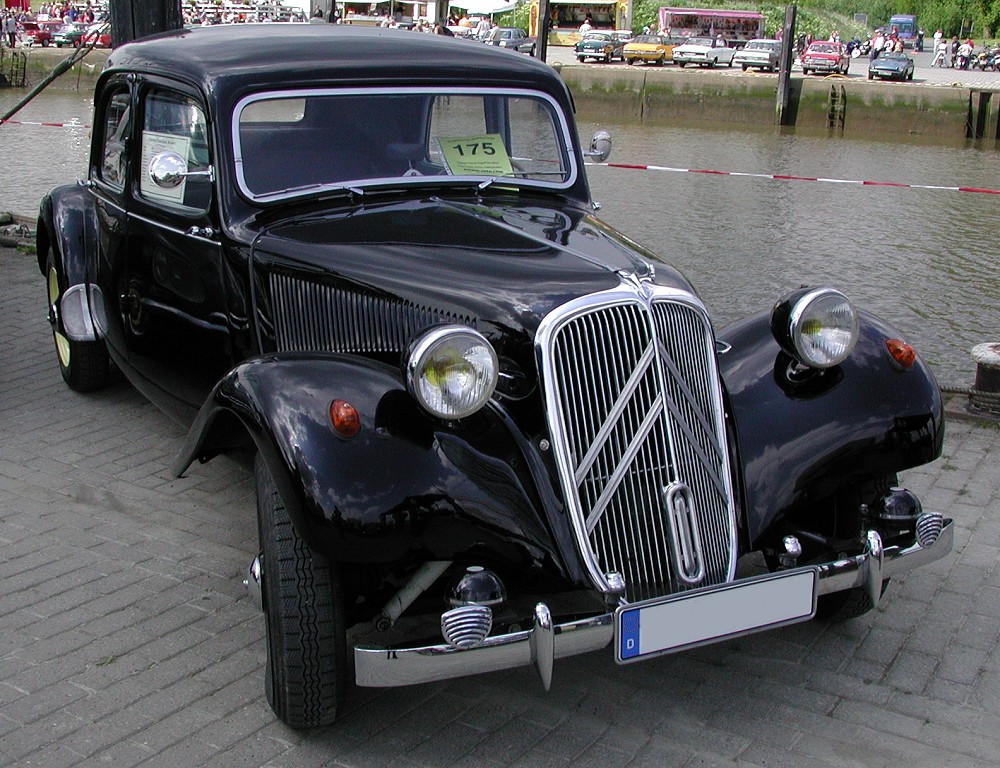
The Citroën Traction Avant helped define the modern road car.
The Volkswagen Käfer gave mass mobility personality.
The Mini proved that practical design could also be playful.
It made a small car feel like a cultural object. It made efficiency feel stylish. It made handling part of everyday life. And it showed that a car could be inexpensive without being anonymous.
The Mini was not a compromise.
It was a revolution in miniature.