Porsche 356 and 911: How Porsche Invented the Everyday Sports Car
Some cars are made for weekends.
Others are made for race tracks.
Then there are the cars that somehow manage to be both—machines that can drive to work on Monday, cross a mountain pass on Saturday and line up at a race circuit on Sunday.
That idea did not begin with Porsche, but Porsche turned it into an art form.
The Porsche 356 and Porsche 911 created a new kind of sports car: compact, practical, lightweight, fast enough to feel special and reliable enough to live with. They proved that performance did not need to come with intimidation, enormous dimensions or a trailer waiting in the paddock.
The 356 built the philosophy. The 911 made it immortal.
The 356: A Sports Car Built From Necessity
The first Porsche arrived in a Europe still rebuilding after the Second World War.
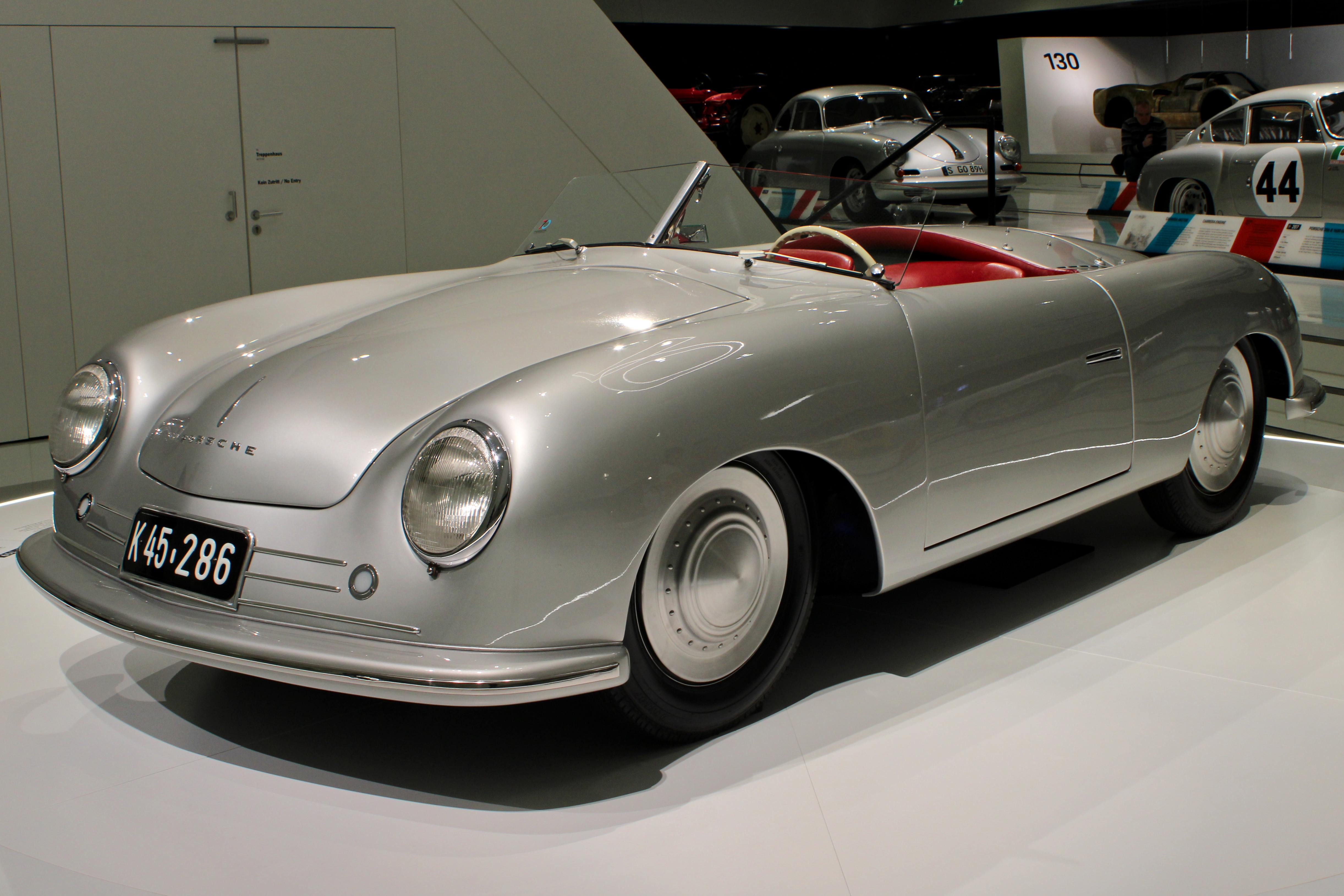
On June 8, 1948, the Porsche 356 “No. 1” Roadster received its road approval in Gmünd, Austria. It is generally regarded as the birth date of the Porsche brand. The car was created under Ferry Porsche and became the first vehicle to wear the Porsche name. (Porsche Newsroom)
The first 356 was not born from vast budgets or a glamorous racing empire. It was built with what was available.
Its aluminium body and steel tubular frame were created by Porsche, while much of its mechanical basis came from Volkswagen. The original car used a modified Volkswagen flat-four engine, positioned ahead of the rear axle. (Porsche Newsroom)
That connection to Volkswagen mattered.
The 356 did not begin life as an exotic, unreachable machine. Its earliest DNA came from practical engineering: compact dimensions, a rear-mounted boxer engine, low weight and straightforward mechanics. Porsche then transformed those ingredients into something far more focused.
The result was a small sports car that felt alive.
It was not about overwhelming horsepower. Early 356s made around 40 horsepower. But the car was light, agile and unusually usable for a sports car of its era. Porsche itself describes the 356 as combining handling with qualities that were rare among sports cars at the time: comfort and reliability. (Porsche Newsroom)
That became the Porsche formula.
Lightweight Before It Became a Marketing Word
Today, nearly every performance brand talks about lightweight construction.
In the 356 era, Porsche lived it.
The car’s compact size and low mass were not part of a lifestyle campaign. They were fundamental to how it performed. Less weight meant less power was needed. Less weight meant sharper steering, better braking and a stronger connection between driver and road.
The 356 did not need to look aggressive to feel sporting.
Its curves were soft. Its proportions were modest. Its cabin was compact. Yet it had a purposefulness that made it instantly different from ordinary transport. The 356 was elegant without being fragile and sporty without being theatrical.
That balance helped create Porsche’s earliest community.
Owners could drive their cars to races. They could tour through Europe. They could use them in daily life. And when they wanted more, they could tune them, race them or personalise them.
The Porsche owner was not necessarily looking for attention.
They were looking for the feeling of driving something engineered around them.
The Sports Car That Could Be Used Every Day
This is where the phrase “everyday sports car” begins to make sense.
Before Porsche, many sports cars were temperamental, impractical or built mainly for wealthy enthusiasts. The 356 changed expectations. It offered a machine that could be exciting without being exhausting.
That usability was not an accident.
The later 356/2 moved the engine behind the rear axle, opening space for occasional rear seats and luggage. The rear-engine layout would become a long-term Porsche signature. (Porsche Newsroom)
The car also developed quickly.
From early Gmünd-built cars to later Stuttgart-built models, the 356 became more refined, more powerful and more capable. Variants such as the Speedster and Carrera gave the model a racing edge, while the standard cars remained approachable enough for real roads.
The 356 was therefore more than Porsche’s first chapter.
It was the company’s operating system.
The 911 Arrives—and Refuses to Follow the Rules
By the late 1950s, the 356 had reached the limits of its basic platform. Porsche needed a successor. The challenge was enormous: replace a beloved car without losing its character. (Porsche Newsroom)
The answer appeared at the Frankfurt Motor Show in 1963.
It was initially called the Porsche 901. For its market launch in 1964, it became the Porsche 911. (Porsche Newsroom)
The 911 retained the Porsche essentials: a low silhouette, rear-engine layout, boxer engine and a focus on agility. But it was more spacious, more powerful and more sophisticated than the 356.
Its air-cooled, two-litre flat-six produced 130 horsepower and pushed the original 911 to around 210 km/h. It also offered two fold-down rear seats and a large front luggage compartment—features that made it more practical than most sports cars of the period. (Porsche Newsroom)
That combination was revolutionary.
The 911 looked like a sports car, sounded like a sports car and could genuinely be driven every day.
A Shape That Became a Logo
Few cars have a silhouette as recognisable as the Porsche 911.
The long fastback roofline, rounded front wings, low bonnet and compact rear have remained visibly connected to the original 1963 design. Porsche has evolved the 911 across generations, but the basic proportions have survived. (Porsche)
That continuity matters.
Most successful cars change completely when a new generation arrives. The 911 evolved instead of reinventing itself. Every version had to solve a difficult problem: become faster, safer and more modern without losing the visual and emotional identity that made a 911 a 911.
That made the car unusual in the automotive world.
The 911 did not rely on nostalgia alone. It survived because Porsche kept improving it while respecting the original idea.
Racing DNA, Real-World Usability
The 911 became a motorsport force, but its real cultural power came from the fact that it never felt separated from the road.
A 911 could compete in rallies, endurance races and club events. It could then be driven home.
That connection built a special kind of loyalty. Porsche drivers did not have to choose between an impractical racing machine and a sensible daily car. The 911 offered a compromise that did not feel like a compromise.
It was fast enough for the race track.
It was civilised enough for the city.
It was compact enough for Europe.
And it was desirable enough for everywhere else.
Porsche later described the 911 as a car capable of travelling from an African safari to Le Mans, then continuing to the theatre and the streets of New York. It is a dramatic claim, but it captures the reason the car became so important: the 911 was designed to have a life beyond performance statistics. (Porsche)
From Stuttgart to California: Porsche Becomes Culture
The 356 created Porsche’s reputation. The 911 created Porsche culture.
By the 1970s and 1980s, the 911 had become part of racing, fashion, film, architecture and urban aspiration. It was equally at home outside a Stuttgart workshop, on a California canyon road or in the paddock at Le Mans.
Its air-cooled engine note became part of its identity. Its rear-engine handling gave it a reputation for rewarding skilled drivers. Its shape became an object of design admiration.
Then came the fan communities.
Air-cooled Porsche culture grew into a world of restorations, outlaw builds, restomods, track cars, concours examples and deeply personal projects. A 911 could be preserved exactly as it left the factory—or turned into something entirely individual.
That flexibility made it culturally durable.
The Porsche 911 was never just one thing.
It could be an investment, a race car, a family memory, a daily driver, a design object or a lifelong obsession.
Why Porsche’s Formula Still Works
The Porsche 356 and 911 matter because they changed what people expected from a sports car.
The 356 proved that lightweight engineering, reliability and driving pleasure could live in the same package. The 911 expanded that idea into something more powerful, more practical and more emotionally permanent.
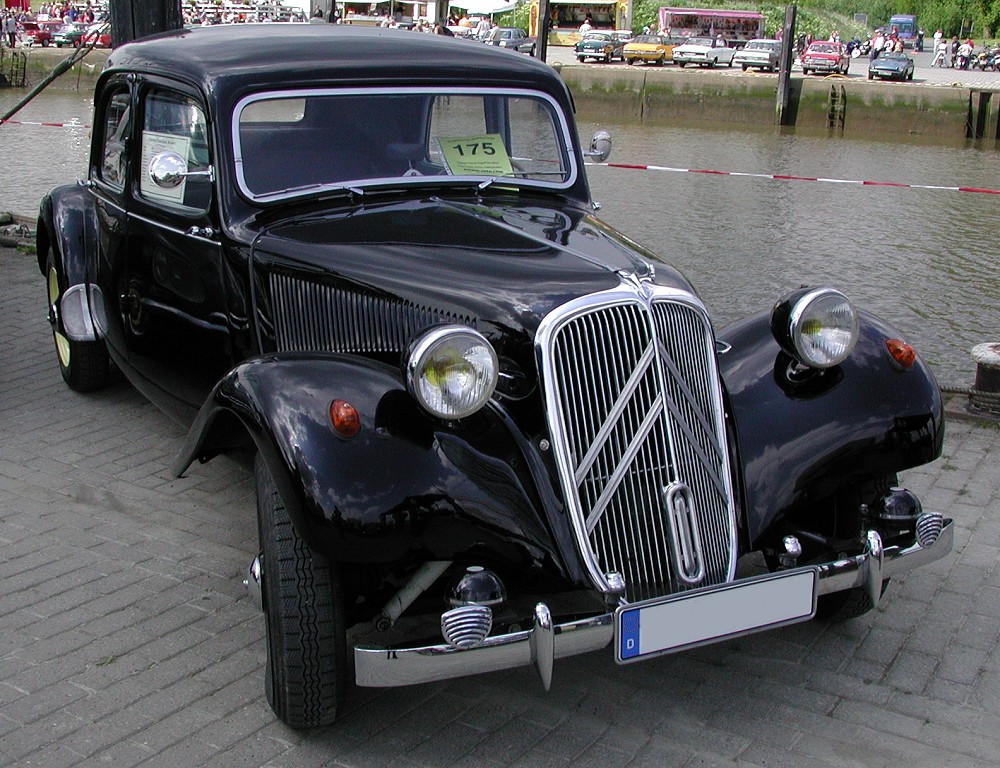
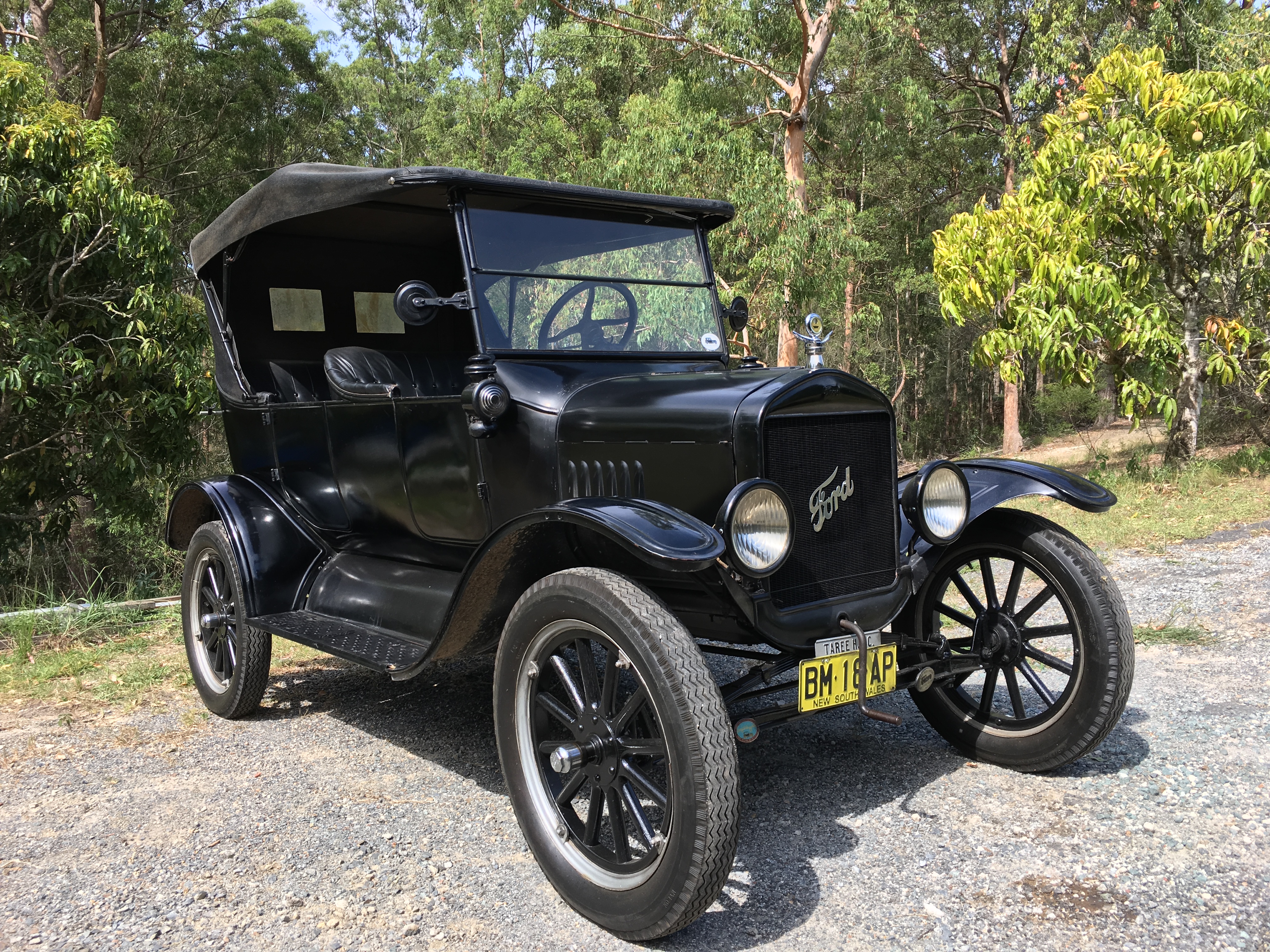
The Benz Patent-Motorwagen invented the car. The Ford Model T made it accessible. The Citroën Traction Avant modernised the architecture. The Volkswagen Käfer gave the car personality.
Porsche did something different.
It showed that performance could become part of everyday life.
Not as an occasional luxury. Not as a track-only fantasy. But as a machine you could genuinely know, use and enjoy for decades.
That is why the 356 and 911 remain so important.
The 356 started the conversation.
The 911 has been answering it ever since.