Volkswagen Käfer: The Car That Became More Than a Car
Some cars are remembered for speed.
Others for luxury, innovation or racing success.
The Volkswagen Käfer is remembered because it became part of people’s lives.
It was the first car for millions of drivers. A family holiday machine. A student car. A beach car. A rally car. A delivery vehicle. A rolling canvas for flowers, peace signs, racing numbers and custom paint. It was cheap enough to be accessible, simple enough to repair, and distinctive enough to become instantly recognisable from almost any angle.
But its story is more complicated than its friendly shape suggests.
The Käfer was conceived during the Nazi era as a state-backed “people’s car” project. Development work began in 1934, the Volkswagen company was established in 1937, and the factory that would become Wolfsburg was built shortly after. The vehicle was renamed the KdF-Wagen in 1938. Civilian mass production, however, never truly arrived before the Second World War; the factory was redirected toward wartime production. (Volkswagen Newsroom)
After 1945, the same small car took on a completely different meaning.
It became a symbol of rebuilding.
From Political Project to Post-War Survival Story
The early Käfer cannot be separated from the regime that commissioned it.
Its origins were tied to Nazi propaganda, industrial policy and the idea of providing Germans with an affordable car for the new Autobahn network. That history matters and should not be softened by nostalgia. The Beetle’s later cultural popularity does not erase the political system behind its creation.
Yet the post-war story is strikingly different.
At the end of the war, the Wolfsburg factory stood damaged and uncertain. Under British administration, production of the Volkswagen Type 1 resumed. On December 27, 1945, series production of the Volkswagen Limousine began—often treated as the real starting point of the Beetle’s global success story. (Volkswagen Newsroom)
The vehicle that emerged into post-war Europe was small, inexpensive to run, easy to understand and surprisingly robust. In a continent rebuilding homes, roads, businesses and everyday life, those qualities mattered more than glamour.
The Käfer was not a dream car in the traditional sense.
It was a car that worked.
A Shape Nobody Could Confuse
The Beetle’s silhouette was unusual even when it was new.
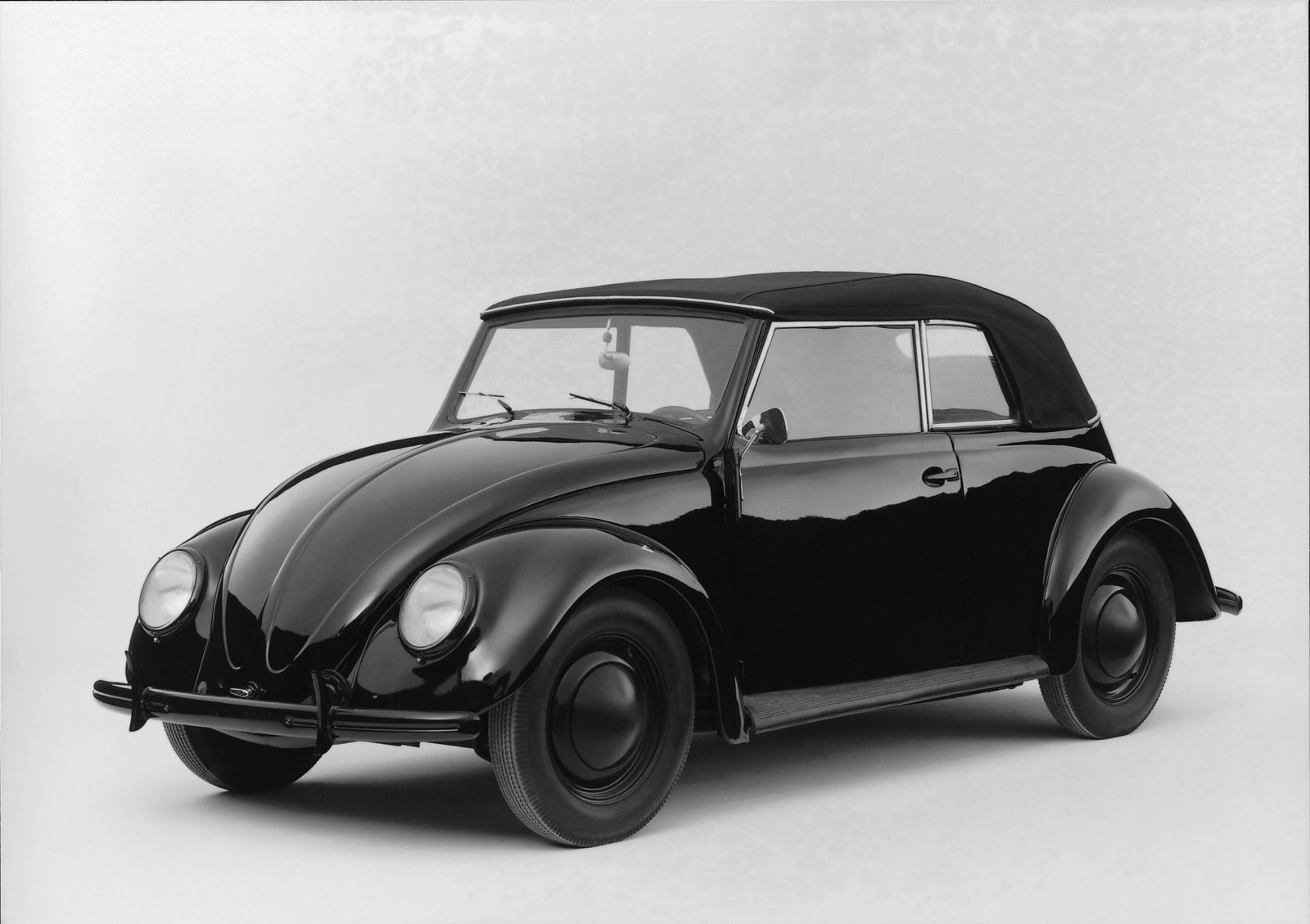
Rounded fenders. A curved roofline. Small windows. A rear-mounted, air-cooled engine. It looked soft and almost animated next to the sharper, taller and more formal cars of its era.
That shape became one of the most recognisable in automotive history.
Its design was not built around aggression or status. The Käfer did not look fast, expensive or intimidating. It looked approachable. Friendly, even. That became one of its greatest cultural advantages.
Across different countries, people gave it their own names: Käfer in Germany, Beetle or Bug in English-speaking markets, Coccinelle in France, Fusca in Brazil, Maggiolino in Italy and Vocho in Mexico. The nicknames were not created by a marketing department. They came from the public, which is usually the clearest sign that a car has entered culture rather than merely the market. (Volkswagen)
Engineering for Real Life
Under the rounded body sat a simple formula: rear-mounted engine, rear-wheel drive, air cooling and a compact layout.
The air-cooled engine was especially important to the Beetle’s identity. Without a conventional water-cooling system, there was less plumbing to freeze, leak or fail. That made the car appealing in places with harsh weather, rough infrastructure or limited access to specialist service.
The layout also gave the Käfer a character all its own.
It had an unmistakable engine sound. It had quirky handling. It could feel light and lively at low speeds, but demanded respect when pushed hard. The front luggage compartment was small, the rear engine bay was noisy, and the cabin was never luxurious.
But the Beetle did not need to be perfect.
It needed to be dependable enough that people could live with it.
And they did.
The People’s Car Goes Global
The Beetle’s production story is almost impossible to overstate.
Series production began in 1945, and more than 21.5 million first-generation Beetles were built by the end of its production run. That made it one of the most successful single-platform cars in history. (Volkswagen)
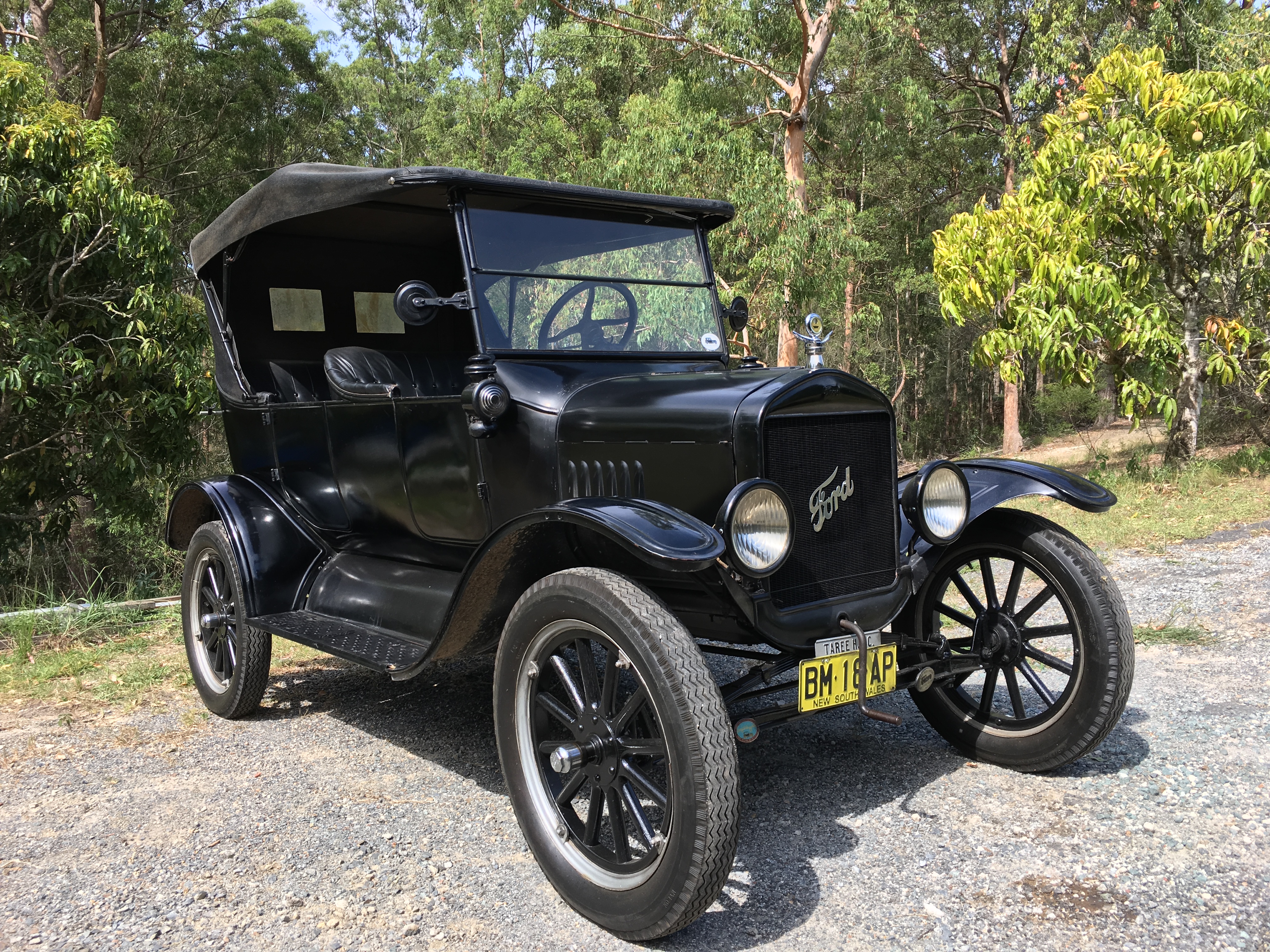
In 1972, Beetle production passed the Ford Model T’s long-standing total, with Volkswagen building Beetle number 15,007,034. It was a symbolic moment: the car that had helped define post-war Germany had overtaken the machine that had originally put America on wheels. (WIRED)
But the Beetle was not only a German success.
It became truly international.
It found homes in Europe, North America, Latin America, Africa and beyond. It was produced in several countries and remained especially important in markets such as Brazil and Mexico. Its long production life gave it something most cars never receive: time to become familiar across generations.
For many families, the Beetle was not a classic.
It was simply the car parked outside.
From Conservative Germany to Counterculture Icon
This is where the Käfer story becomes almost surreal.
A car rooted in a highly controlled political project was later embraced by counterculture movements that valued peace, freedom, individuality and rejection of authority.
By the 1960s and 1970s, the Beetle had become deeply connected with youth culture, surf culture, student life and the visual language of the hippie era. Its affordability made it accessible. Its simple design made it modifiable. Its rounded body made it an ideal canvas for custom paint, flowers, psychedelic graphics and personal expression.
The Beetle became the opposite of a formal executive car.
It was anti-status status.
Driving one could mean that you valued practicality over prestige, individuality over chrome, and personality over horsepower. It became an object that people could personalise without feeling guilty about altering something precious.
That is a major reason the Beetle became so culturally powerful: it was mass-produced, but it never had to feel anonymous.
Herbie, Advertising and the Power of Being Different
The Käfer was also one of the first cars to become a genuine entertainment character.
Disney’s The Love Bug introduced millions of people to Herbie, the white Beetle with racing stripes and the number 53. Herbie turned the car into a personality: stubborn, lovable, underestimated and surprisingly quick.
The Beetle’s advertising was equally influential.
Volkswagen’s American campaigns in the 1950s and 1960s embraced the car’s small size and oddness rather than hiding them. Ads such as “Think Small” helped redefine automotive marketing. Instead of promising excess, chrome and power, Volkswagen sold honesty, restraint, intelligence and humour.
That approach made the Käfer feel culturally modern even when its engineering was already ageing.
It did not compete by pretending to be something bigger.
It won by being unmistakably itself.
The Beginning of Accessible Custom Culture
The Beetle was one of the earliest true platforms for global DIY car culture.
Its mechanical simplicity meant that owners could work on it at home. Its parts were common. Its body could be modified. Its engine could be tuned. Its suspension could be lowered, raised or adapted for different uses.
From Cal-Look Beetles in California to Baja Bugs built for desert running, the Käfer became a foundation for custom scenes around the world.
Hot rodders made them faster. Off-road builders made them tougher. Surfers made them practical. Students made them expressive. Racers discovered that a lightweight rear-engined car could be surprisingly entertaining.
The Beetle proved that car culture did not have to begin with expensive performance cars.
It could begin with a basic, affordable machine and a willingness to make it your own.
Why the Käfer Still Matters
The Volkswagen Käfer was not the first people’s car, and it was not always the most advanced car on the road.
By the 1970s, its basic layout was increasingly outdated beside modern front-wheel-drive hatchbacks. Volkswagen itself needed a new direction, eventually finding it with cars such as the Golf.
But the Beetle’s importance goes beyond technical progress.
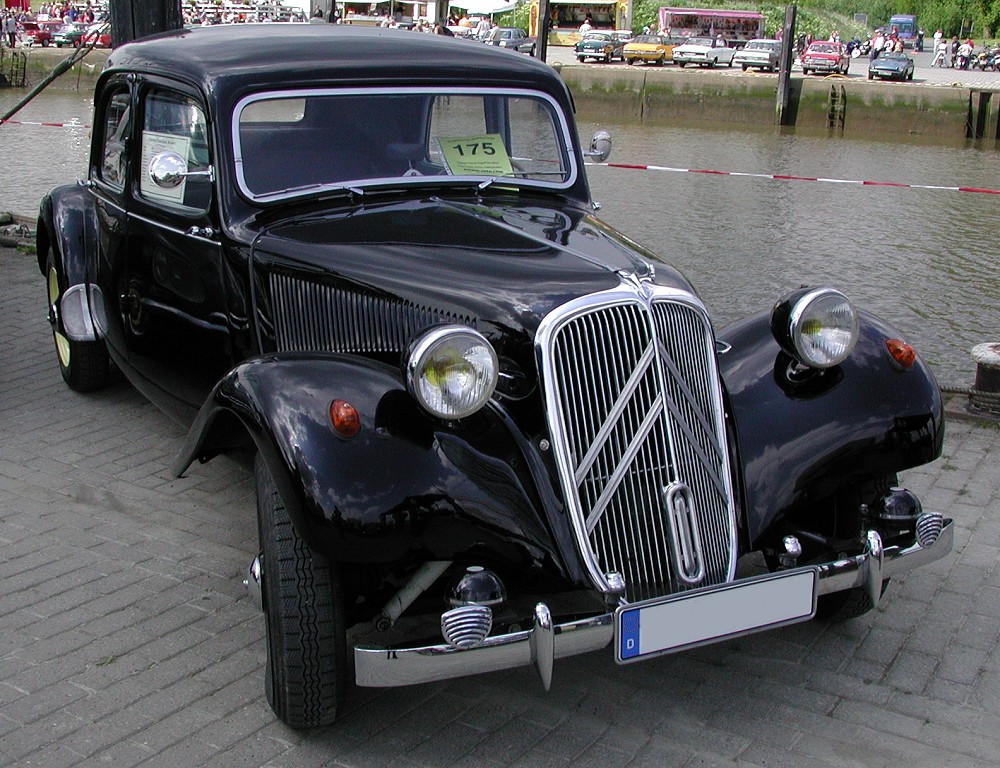
The Benz Patent-Motorwagen invented the automobile. The Ford Model T made it accessible. The Citroën Traction Avant helped establish the modern road car.
The Volkswagen Käfer did something different.
It gave the automobile a personality.
It became proof that a car could be a tool, a memory, a cultural symbol and a form of self-expression at the same time. Its past is complex. Its engineering is simple. Its image is universal.
And that is why the Käfer remains more than a car.
It is one of the few machines in history that people recognise not only with their eyes—but with emotion.